FOLLOW US   

EXHIBITION

CURRENT/

ARCHIVE

COLLAPSE: DATA.MODELS.WORLDS

NEON Grants | Vektor Athens at Saigon

05/03/2026 - 02/04/2026

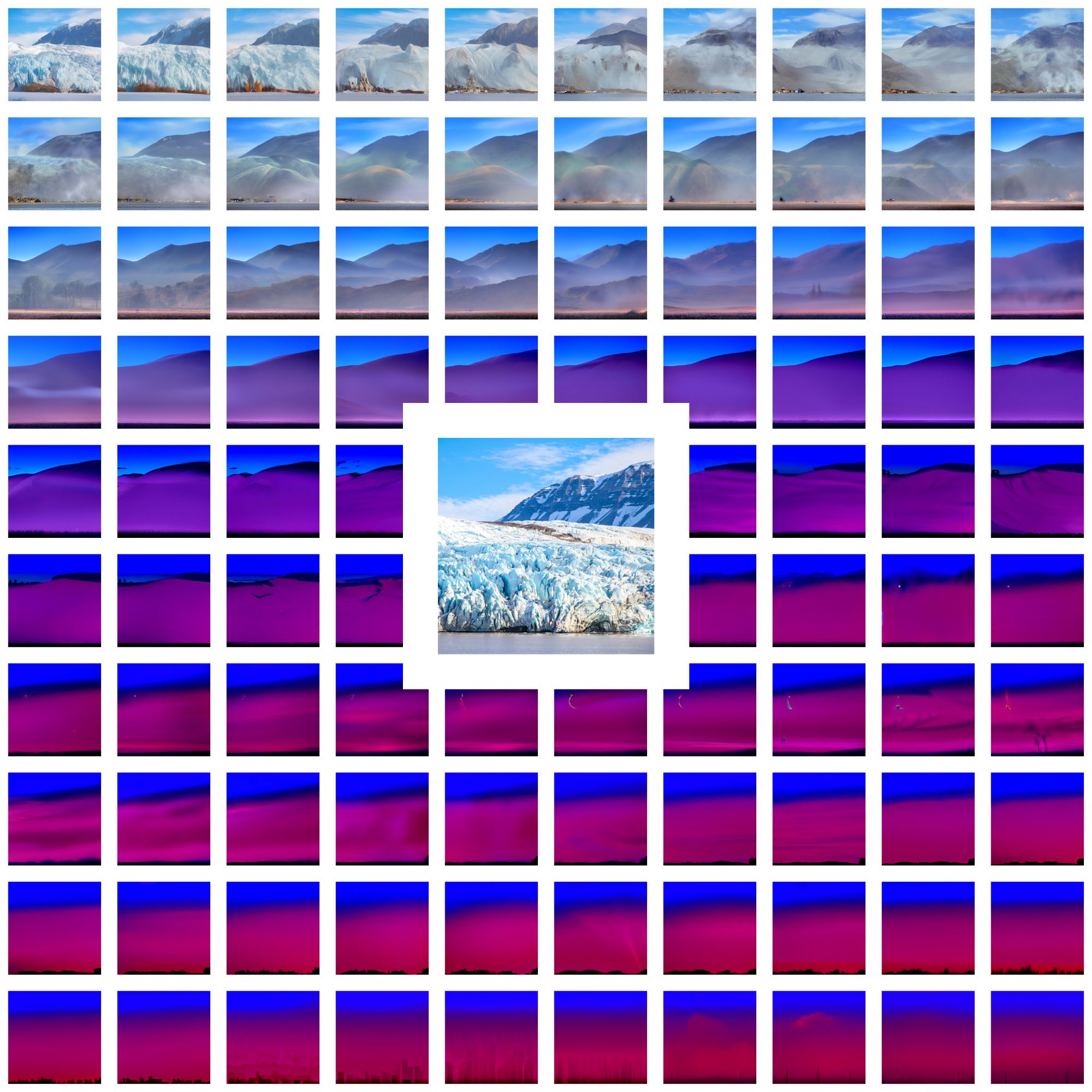
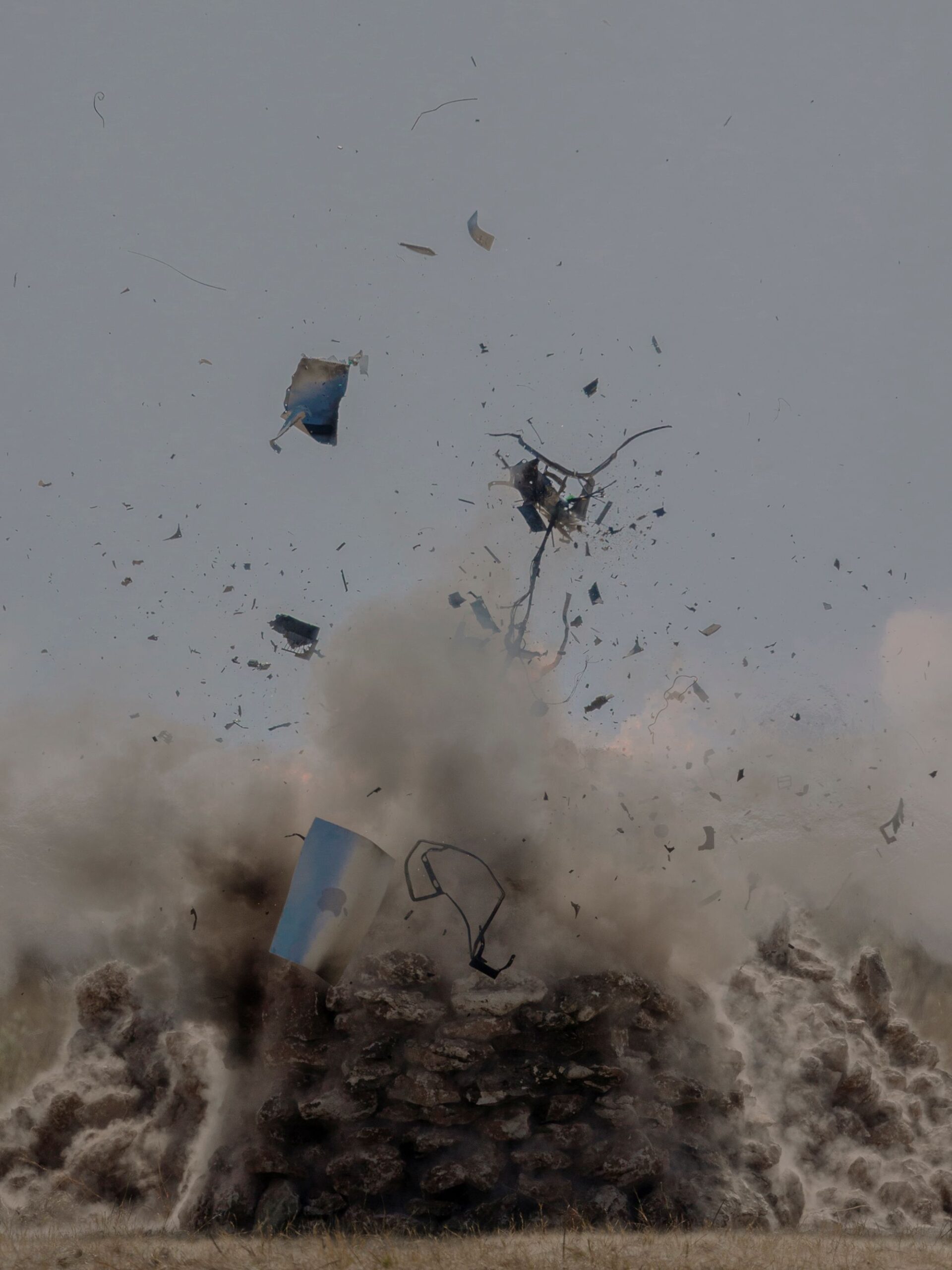
Salvatore Vitale, Death By GPS, 2023-2025 | Courtesy of the artist.
Maria Mavropoulou, Ecologies of Noise, 2026. Detail | Courtesy of the artist.
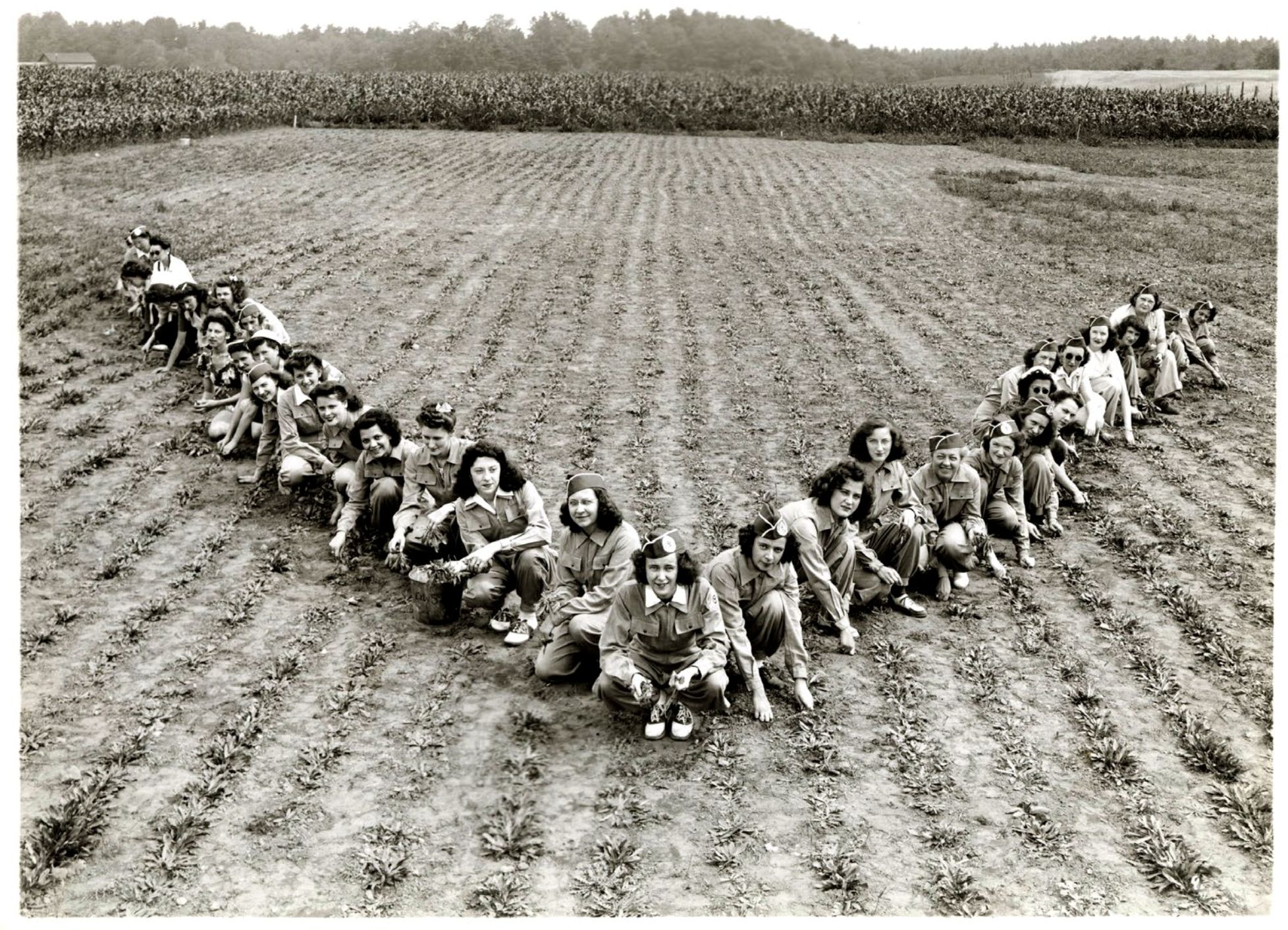
Bethan Hughes, An Elastic Continuum VI, 2025 | Courtesy of the artist
Juan Obando, They/Them, 2023 | Courtesy of the artist
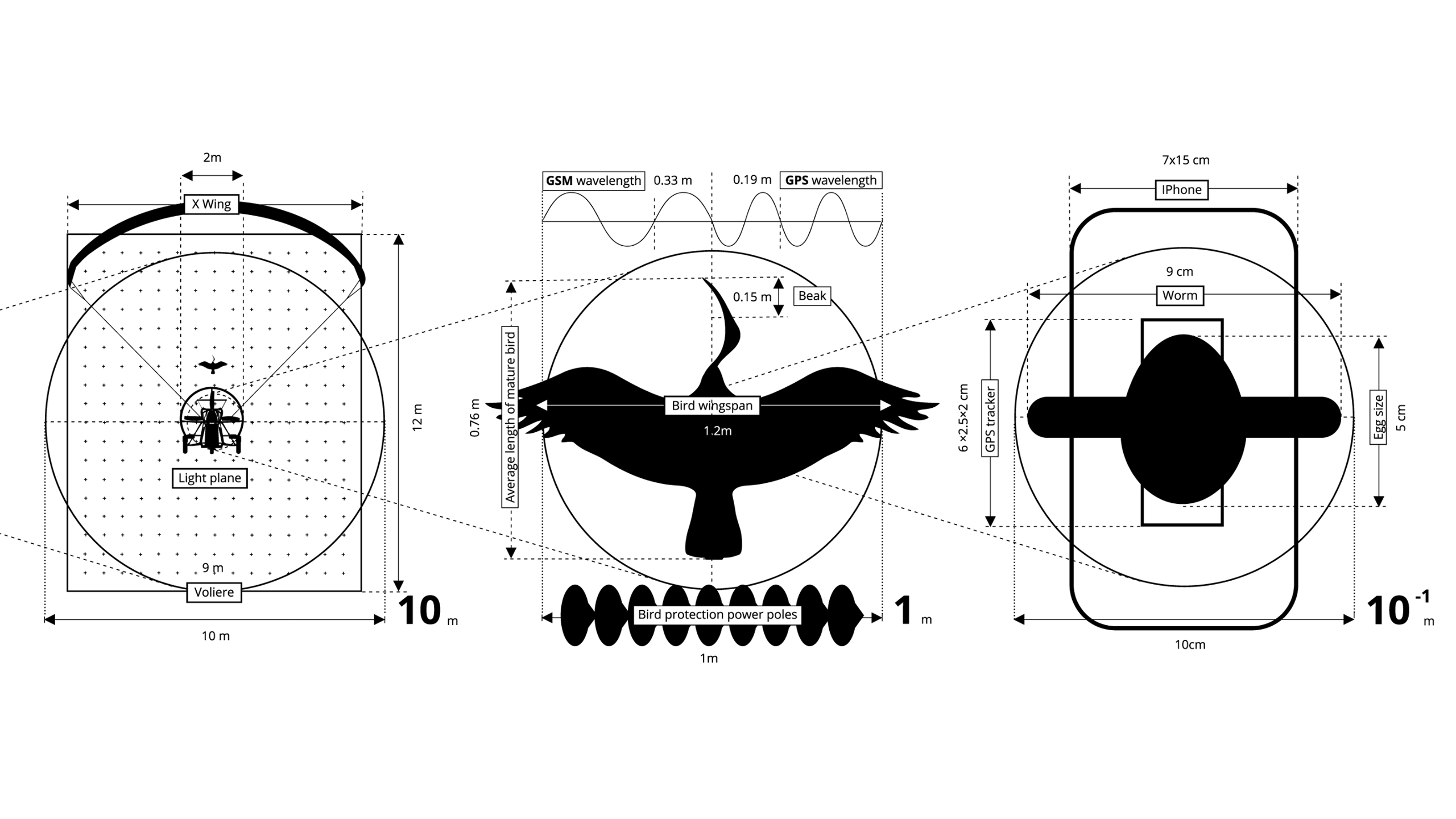
Vladan Joler/ Gordan Savičić/ Felix Stalder, Infrastructure of a Migratory Bird, v2.0, 2025. Λεπτομέρεια | Ευγενική παραχώρηση οι καλλιτέχνες.

DETAILS

COLLAPSE: DATA.MODELS.WORLDS

05/03/2026 - 02/04/2026

Saigon

Curated by Daphne Dragona, Katerina Gkoutziouli

Artists | Niki Danai Chania, Bethan Hughes, Vladan Joler/ Gordan Savičić/ Felix Stalder, Athina Koumparouli, Latent Community, Maria Mavropoulou, Juan Obando, Salvatore Vitale

Audiovisual Design | Makis Faros, Antonis Gkatzougiannis

Production Coordination | Iris Asimakopoulou

Communication | Maria Paktiti

Organized by VEKTOR Athens

OPENING

5 March 2026 | 7 pm

OPENING HOURS

Thu – Sun | 5 – 9 pm

FREE ENTRANCE

MORE INFORMATION

vektorathens.org


Add to calendar  

 Press Release >

 Poster >

The exhibition collapse: data.models.worlds. addresses the intensifying state of crisis shaping the contemporary world, examining the role of technology within it. Drawing on current debates around the possibilities and limitations of technological infrastructures, it explores their entanglement with social and ecological issues, from the past to the present.

Τechnology -and in particular the increasing deployment of artificial intelligence- promises solutions that are inextricably linked to mechanisms of exploitation of human and natural resources. Popular computational models, for instance, process vast volumes of data that rely on invisible human labor, intensive energy consumption, and the extraction of raw materials. Geopolitical claims and shifts in land use are closely tied to the demands of technological development, often perpetuating colonial strategies of the past. At the same time, algorithmically generated images and news contribute to a state of ambiguity and uncertainty. Today’s persistent technological, social, and environmental problems are not isolated; they are interconnected and recurrent. Terms such as polycrisis, permacrisis, and meta-crisis, which have gained prominence in recent years, reflect the difficulty of managing interrelated challenges, as well as their persistence and escalation.

The exhibition collapse: data.models.worlds. discusses the current condition in relation to the collapse of established models of thought, and the shift towards new forms of coexistence, knowledge and responsibility. Focusing on the intersections of technology, environment and history, the artistic works presented, propose readings of the current complex reality through different examples. Stories of technological control and extractive practices are linked to specific places and communities. References to myths, lived experiences and projections into the future recall the interdependent relationships between the human and non-human worlds. Mappings and visualizations bring together data feedback loops and cycles of matter. By utilizing different media and materials, the works create the ground for a discussion around the restoration and preservation of social and environmental balance.

Supported by NEON through its annual Grants Scheme.

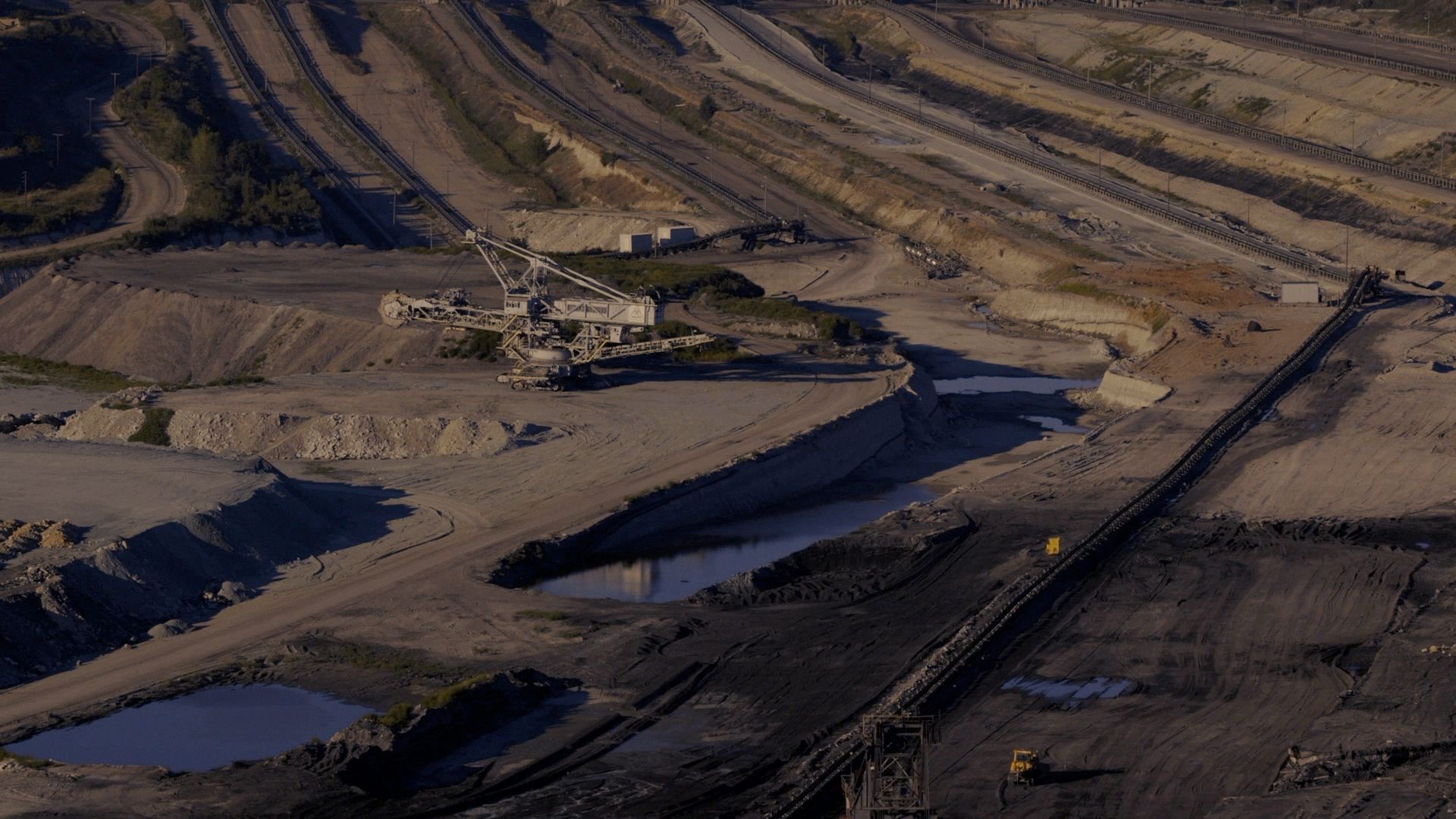
Latent Community, Dark Source: Cloud Extraction, 2026 | Courtesy of the artists.

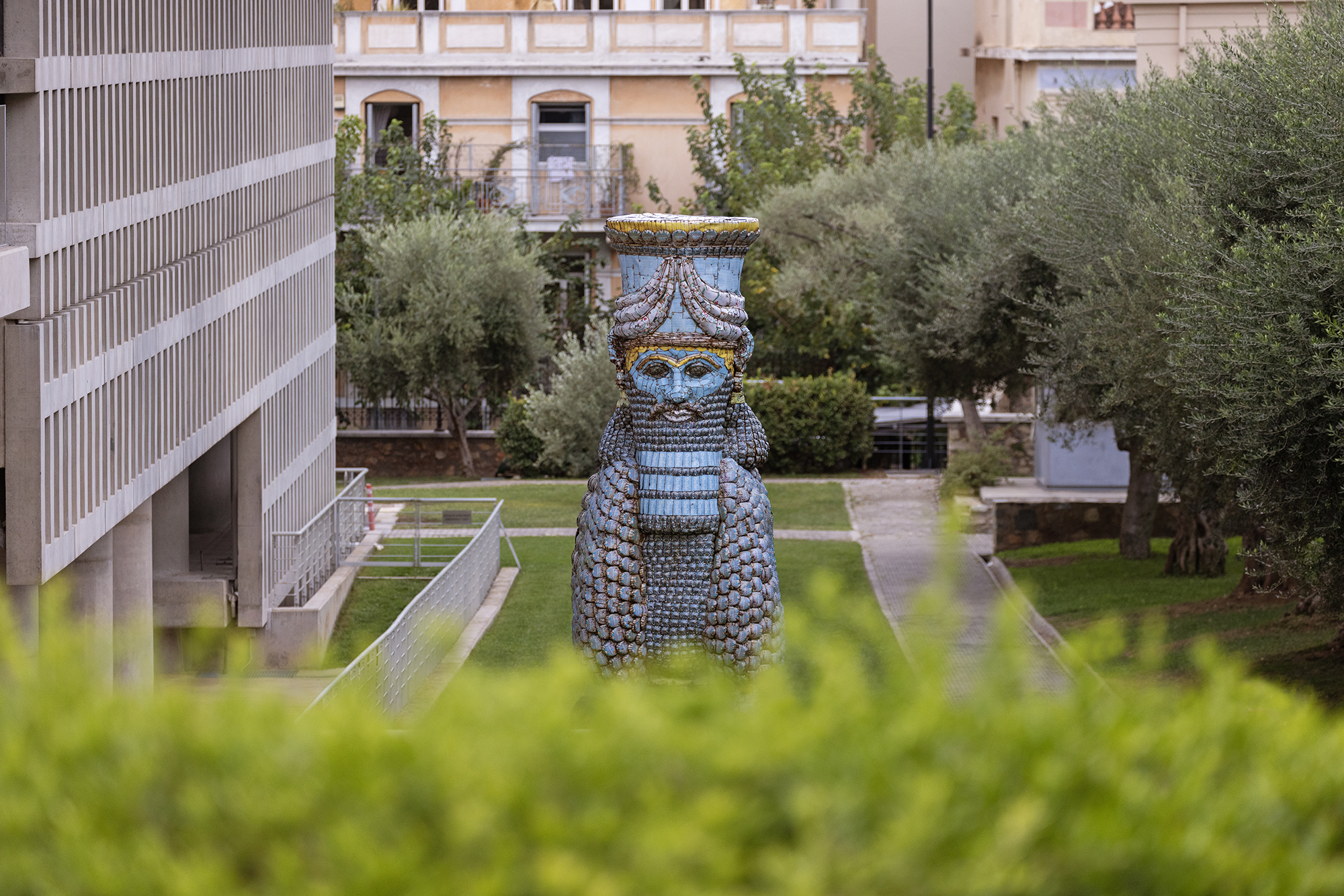
Niki Danai Chania, The Nymph (Fragment of), 2026. Detail | Courtesy of the artist

Salvatore Vitale, Death By GPS, 2023-2025 | Courtesy of the artist.

Athina Koumparouli, Strata of cloud to ground, 2026 | Courtesy of the artist.

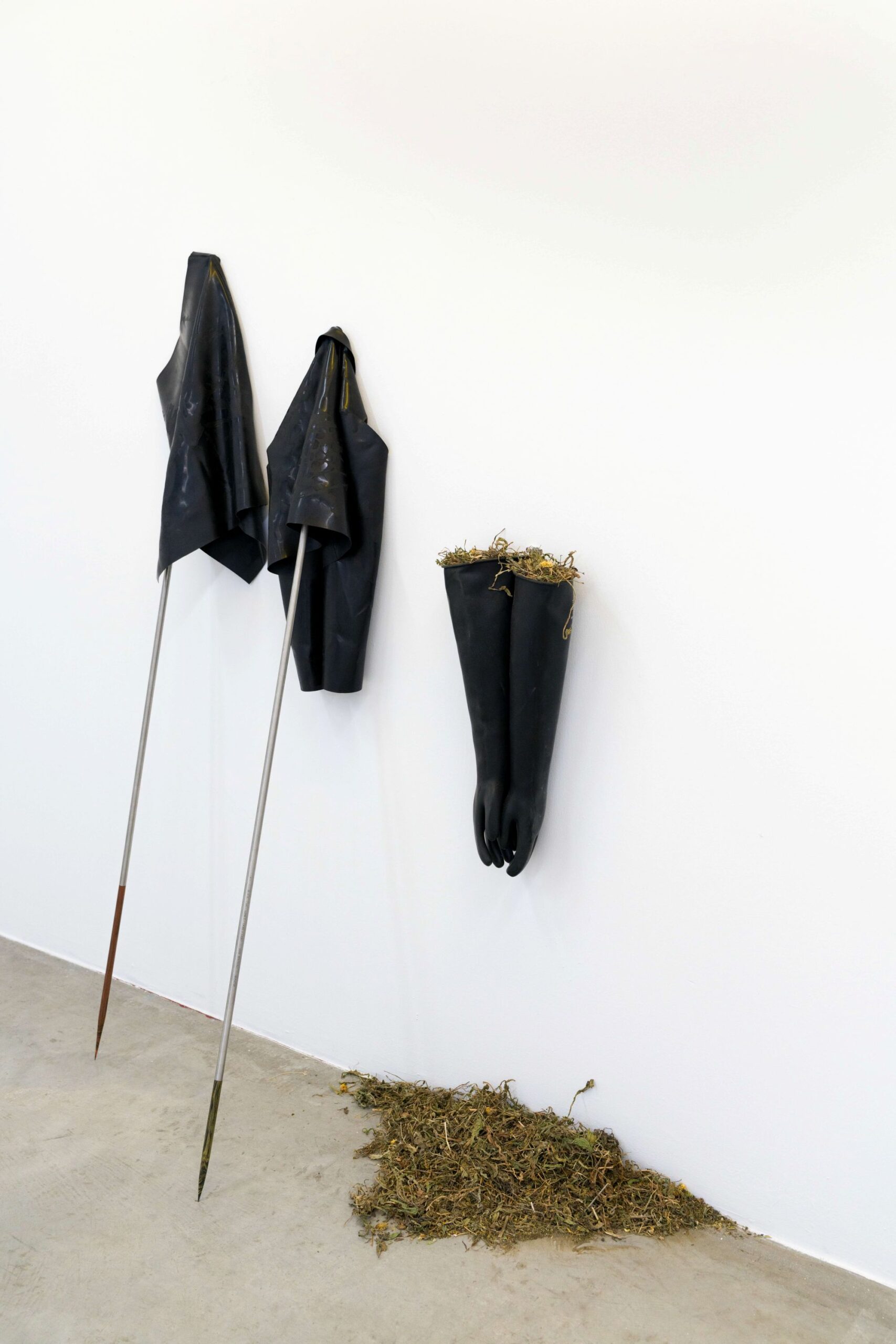
Bethan Hughes, An Outfit for a Woman in a Field II, 2025 | Courtesy of the artist.

Juan Obando, They/Them, 2023 | Courtesy of the artist

Saigon

39 Korytsas

10447, Votanikos


Koritsas 39, Athens, Greece

YOU MAY ALSO LIKE